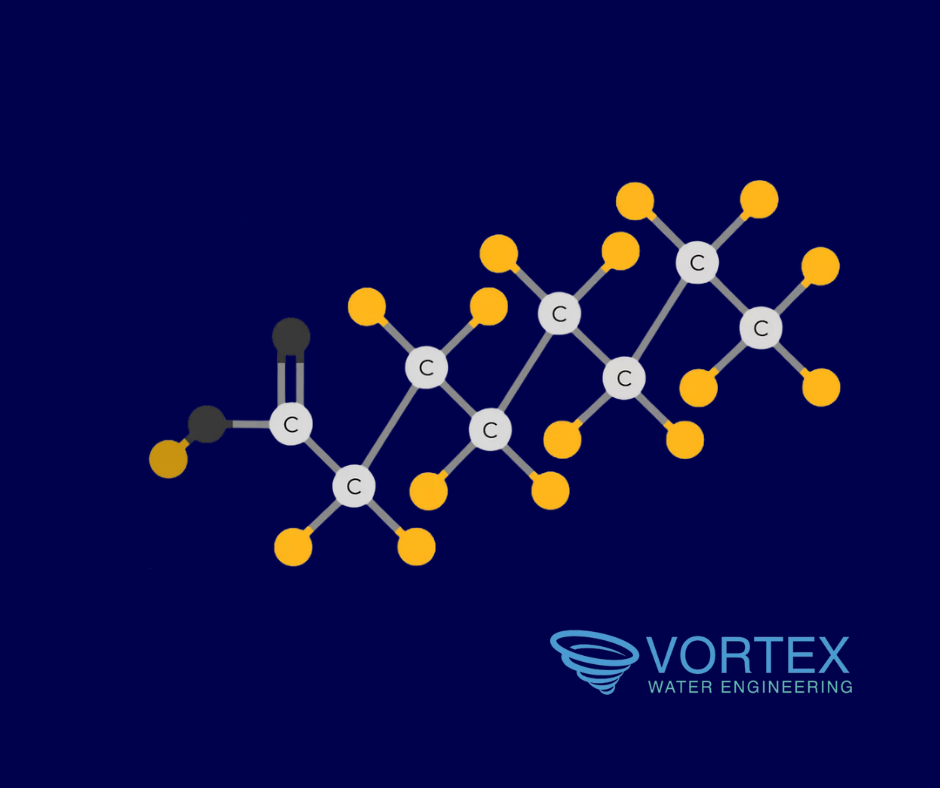
According to the European Environment Agency, starting from January 12, 2026, based on the updated EU Drinking Water Directive (Directive (EU) 2020/2184), monitoring of PFAS in drinking water has come into force.
PFAS—per- and polyfluoroalkyl substances—are a group of synthetic chemical compounds that, due to their resistance to water, fat, and stains, are used in products such as cookware pans, waterproof clothing, and firefighting foams. These compounds do not break down naturally and accumulate in the environment, which may pose a threat to human health. PFAS are linked to an increased risk of various types of cancer, reproductive and developmental problems, and pose a threat to the human immune system, liver, and thyroid gland.
New Standards and Obligations
The continuous monitoring of PFAS in drinking water is a significant step forward toward the prevention of and protection from these compounds.
According to the Directive, member states must implement the monitoring of PFAS in drinking water in a harmonised manner to ensure compliance with the new EU maximum allowable concentration limits.
Under the new obligation:
- EU member states must ensure the monitoring of PFAS and reduce their levels where the threshold is exceeded (the allowable limit for the total concentration of PFAS compounds is $0.50 µg/l, while the allowable limit for the sum of 20 selected primary PFAS compounds is 0.10 µg/l.
- Information regarding water quality must be clear and transparent for citizens.
- Member states must record data regarding the content of PFAS in drinking water and transmit it to the European Commission, which will facilitate the effective implementation of targeted, consistent actions for the prevention of and protection from these compounds across the entire European Union.
Under the updated Directive, PFAS monitoring also includes the risk assessment of catchment areas, the control of the water supply network, and water treatment stages.
If the PFAS content in drinking water exceeds the maximum allowable limit, the member state is obliged to take measures to reduce it and ensure the information of the population for the purpose of protecting their health. Acceptable measures may include closing contaminated wells, implementing additional water treatment stages to reduce PFAS, or restricting the use of drinking water supplies until the levels of these compounds fall below the threshold.
This directly contributes to the primary goal of the “European Water Resilience Strategy” adopted in June 2025—ensuring the right to safe water (Right2Water).
In 2024, to support the subsequent continuous monitoring of PFAS, technical guidelines were published (Technical guidelines regarding methods of analysis for monitoring of per- and polyfluoroalkyl substances (PFAS) in water intended for human consumption) concerning analytical methods for measuring total PFAS and the sum of PFAS in drinking water.
Additional Updates in the Directive
It should also be noted that other critical substances were added to the Directive, and the maximum allowable concentration limits for the following substances in water and materials in contact with water were tightened:
- Lead – the limit was halved and is 10 µg/l, and from 2036 it will become 5 µg/l;
- Bisphenol A – this parameter was previously not provided for in the Directive. Limit – 2.5 µg/l;
- Chlorate – limit – 0.25 µg/l;
- Chlorite – limit – 0.25 µg/l;
- Haloacetic acids (HAAs) – limit – 60 µg/l;
- Uranium – limit – 30 µg/l;
- Microcystin – limit – 1.0 µg/l.
If previously various EU countries had their own separate lists of substances allowed for use in the manufacture of water pipes or tanks, according to Article 11 of the updated Directive, these lists will be replaced by a common list. Accordingly, any material that comes into contact with drinking water must contain only the substances included in these lists. From January 2027, all such products will require a European Declaration of Conformity.
Special attention will be paid to the control of Legionella (the bacteria that cause Legionnaires’ disease) and lead content in domestic plumbing.
In addition to all benefits, the document obliges member states to assess water losses and, if the water leakage level exceeds the established threshold (Sustainable Economic Level of Leakage), to implement an action plan to reduce it.
The updated Drinking Water Directive was adopted in 2020, and member states were required to integrate it into national legislation by January 2023.
The Directive ensures safer access to water across Europe and the implementation of leading drinking water standards that are in line with the “Zero Pollution Action Plan” and the “Water Resilience Strategy.” The former aims to reduce water pollution from pesticides and nutrients by 50% by 2030, while the latter provides for the restoration and protection of the water cycle, as well as the implementation of water-wise practices.
Ultimately, Georgia, as a candidate country for EU membership, is gradually integrating EU directives into its legislation, although PFAS monitoring is not among them.