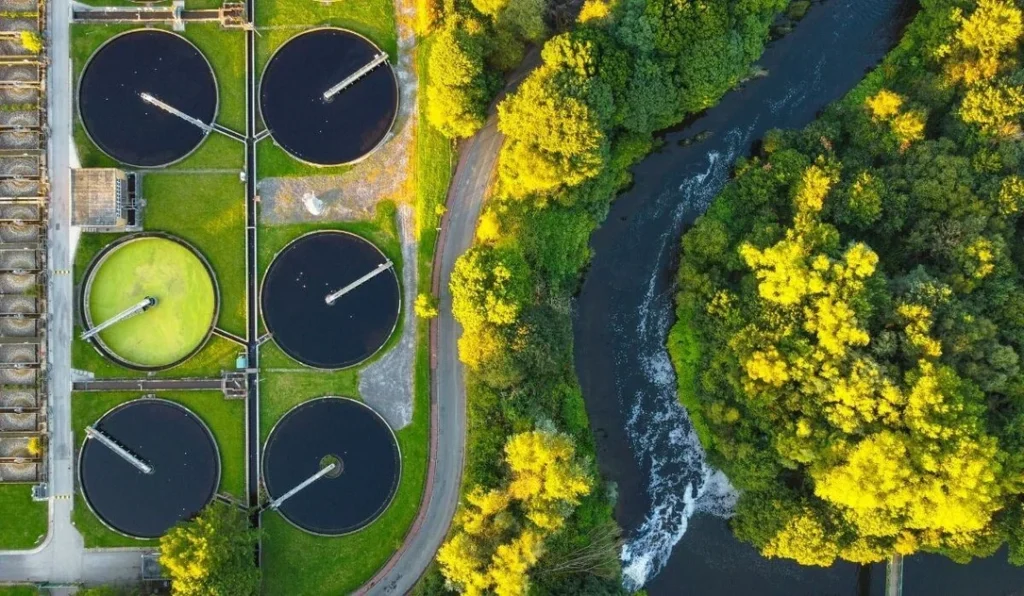
On January 1, 2025, EU Directive 2024/3019 officially entered into force. Replacing the 1991 framework, this updated version of the Urban Wastewater Treatment Directive is more than just a set of regulations; it is a roadmap for achieving zero pollution and climate neutrality in the water sector, in line with the 2015 Paris Agreement. Alongside new challenges, the directive presents an opportunity for engineering companies and municipalities across the EU to implement innovative technologies.
A Radical Shift in Water Cycle Management
The revised directive addresses the gaps that have existed in urban wastewater management across the EU over the last 30 years. While the 1991 version primarily focused on removing organic matter and nutrients, the scope of the new directive is much broader—covering micropollutant removal, achieving energy neutrality, and managing urban runoff. Its ultimate goal is to reach a toxic-free environment by 2050.
In the coming decades, engineering projects within the EU will be implemented precisely with these changes in mind. To ensure compliance with the directive, municipalities and government agencies must integrate these requirements into their urban wastewater management plans.
Key Changes in the Directive
1. Implementation of Quaternary (Fourth-Stage) Treatment
Traditional wastewater treatment plants focus on removing organic matter (secondary treatment) and nutrients (tertiary treatment), such as phosphorus and nitrogen. The new directive has introduced even stricter concentration limits for both of these substances.
ამ ცხრილის მონაცემები ინგლისურენოვანი მკითხველისთვის (ან ბლოგისთვის) ასე უნდა დალაგდეს. ტერმინოლოგია ზუსტად მიჰყვება ევროკავშირის ოფიციალურ სტანდარტებს:
Table: Comparison of Wastewater Treatment Limits
| Parameter / Condition | Current Limits | New Limits (2024/3019) |
| Total Phosphorus: 2,000 – 30,000 m3/day | 2 mg/l | 0.7 mg/l |
| Total Phosphorus: > 30,000 m3/day | 1 mg/l | 0.5 mg/l |
| Total Nitrogen: 2,000 – 30,000 m3/day | 15 mg/l | 10 mg/l |
| Total Nitrogen: > 30,000 m3/day | 10 mg/l | 8 mg/l |
However, the most notable update is that the directive mandates additional treatment for micropollutants, including pharmaceutical residues, cosmetic products, and microplastics.
These substances are divided into two categories:
- Category 1 – Easily removable substances: Includes Amisulpride, Carbamazepine, Diclofenac, etc.
- Category 2 – Hard-to-remove substances: Includes Benzotriazole, Candesartan, etc.
Technical Requirements: The concentration of at least six substances must be continuously monitored (with twice as many from Category 1 as from Category 2) to verify that the quaternary treatment stage is performing effectively.
The requirement for implementing quaternary treatment applies to all large-scale plants (>30,000 m3/day) and many medium-sized plants (2,000 – 30,000 m3/day in sensitive areas), selected based on their risk assessments.
Article 8 of the directive also establishes a specific efficiency standard for pollutant reduction. According to Annex 1, the plant must ensure at least an 80% removal rate of pollutants during the quaternary treatment stage.
One method for removing micropollutants is Ultrafiltration (UF) and Nanofiltration (NF) technology. One of the leading high-tech manufacturers in this field is PENTAIR, with its advanced X-Flow system.
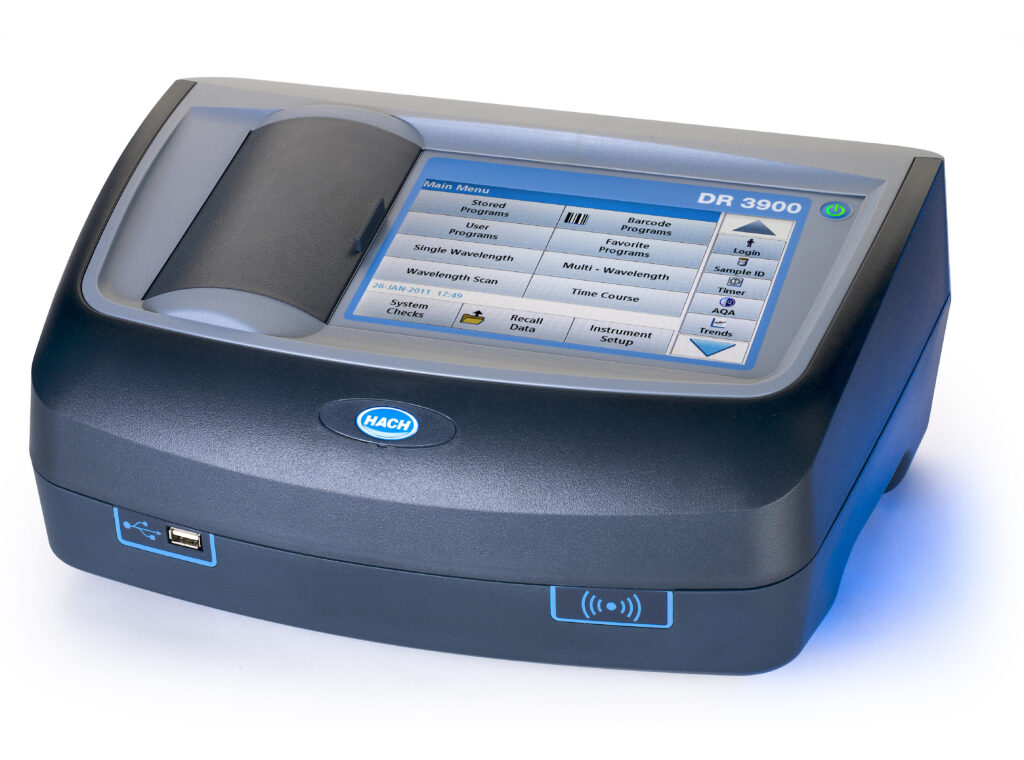
For the monitoring of organic matter, nitrogen, and phosphorus, the industry standard is provided by HACH‘s online and laboratory equipment, such as:
- DR3900 Spectrophotometer – Essential for maintaining compliance with the new phosphorus and nitrogen concentration limits.
- NP6000sc Phosphate Analyzer – Designed for high-precision online monitoring of phosphorus levels.
- UVAS plus sc – Provides continuous online monitoring of organic matter (SAC 254).
- EZ1102sc Colorimetric Analyzer – Used for the analysis of Ammonium, Nitrates, Nitrites, Total Phosphate, and Orthophosphate.
- BioTector (TIC/TOC, TC, VOC, BOD/COD correlation, TN & TP) – A universal, robust analyzer for organic load and nutrient monitoring.
2. Energy Neutrality – Transforming Waste into Energy
The wastewater sector is currently responsible for approximately 0.8% of the European Union’s total greenhouse gas emissions. The new directive mandates the sector to reach energy neutrality by 2045—meaning wastewater treatment plants must ensure they produce at least as much energy as they consume.
To achieve this, plants will need to drastically improve energy efficiency and implement onsite renewable energy production. This includes generating biogas from sludge treatment, heat recovery from sewers, or solar and wind power generation.
To comply with the directive’s requirements, which will be verified through regular audits across EU member states, implementing the ISO 50001 energy management standard will be critical for treatment plants. Simultaneously, engineering firms must design systems focused not only on water purification but also on biogas production (EN 12176) and thermal energy recovery.
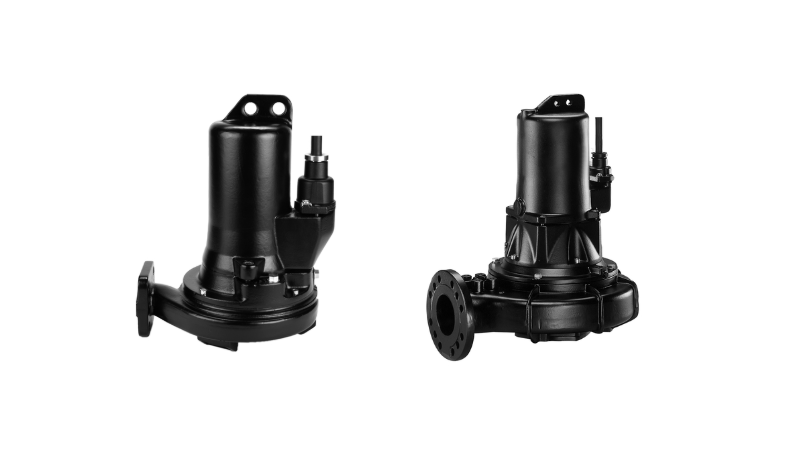
For resource recovery and environmental compliance, companies like Nijhuis Saur Industries and VEOLIA serve as world-leading technological hubs. Furthermore, to reduce electricity consumption during the pumping process, Jung Pumpen offers standout solutions, such as their MultiCut and MultiStream series pumps.
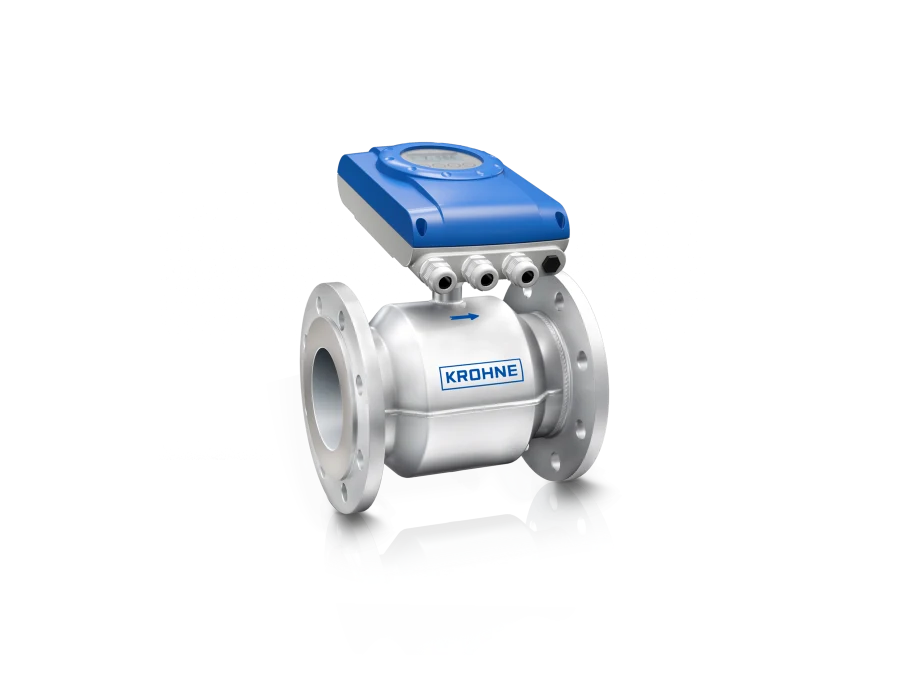
With KROHNE WATERFLUX electromagnetic flowmeters, it is possible to determine water flow and consumption with maximum precision. The device meets critical standards such as MI-001 (MID), OIML R49, and ISO 4064.
3. The “Polluter Pays” Principle and Extended Producer Responsibility (EPR)
With these changes, the European Union is taking a significant step toward the fair distribution of financial burdens. The new Extended Producer Responsibility (EPR) scheme mandates that pharmaceutical and cosmetic companies cover at least 80% of the costs associated with quaternary (fourth-stage) treatment.
Consequently, the producers of these pollutants will be held responsible for their removal, which will alleviate the financial pressure on both taxpayers and water utility companies.
4. Focus on Small Settlements
While previous regulations primarily targeted large cities, the new directive now extends its reach to smaller settlements. The mandatory threshold for water collection and treatment systems has been lowered from 400 m3 to 200 m3. This means that by 2035, thousands of smaller settlements across the EU will be required to upgrade their infrastructure, organize sewage systems, and implement secondary treatment (biological treatment and nutrient reduction).
Additionally, the directive mandates that large cities develop Integrated Urban Wastewater Management Plans. These plans aim to eliminate combined sewer overflows, which are a major source of pollution during heavy rainfall. The plans must prioritize nature-based solutions, such as green roofs, permeable pavements, and similar infrastructure.
For smaller settlements, the AQUAMAX® (DIN EN 12566-3) by ATB Water is the most widely used system in Europe. It allows small-scale treatment plants to ideally manage high fluctuations in wastewater loads.
5. Public Health and PFAS Monitoring
Building on the lessons learned during the COVID-19 pandemic, the directive mandates the monitoring of public health parameters—such as viruses and antimicrobial resistance markers—in wastewater.
The directive also places a special emphasis on controlling “forever chemicals” known as PFAS (Per- and polyfluoroalkyl substances). In this regard, it aligns with the EU Drinking Water Directive (2020/2184). PFAS monitoring is mandatory not only for large-scale plants but also for facilities with a capacity of 2,000 $m^3/day$ that discharge into sensitive areas.
Notably, the European Commission is currently developing harmonized protocols for measuring PFAS concentrations in wastewater, which are expected to be ready by 2027.
Although the final deadline for implementation extends to 2045, critical initial milestones—including the transposition of the directive into national legislation and achieving the first target benchmarks for quaternary treatment—must be met by 2027 and 2033.
In-Situ Inc. provides real-time monitoring for the PFAS treatment process. Aqua TROLL multiparameter probes monitor key water quality indicators to verify the efficiency of PFAS removal, while VuLink telemetry and HydroVu services allow for the instantaneous remote verification of site data via mobile phones and computers.
Key Standards Defining EU Engineering Strategy
1. ISO 16075 – The Gold Standard for Water Reuse
Since the new directive promotes a “Circular Water Economy,” many treatment plants will focus on reusing treated wastewater, specifically for irrigation or industrial purposes.
- The ISO 16075 (Parts 1-3) guidelines are critical for any project aiming for water reuse. They define water quality criteria, risk management, and the treatment stages necessary to protect human health and soil structure.
- Integration with Regulation (EU) 2020/741: This standard is closely linked to the EU Water Reuse Regulation, which establishes strict categories (A-D) for reclaimed water based on its intended use.
2. EN 12255 – Design and Engineering
For the design and engineering of additional treatment stages, the EN 12255 series remains the backbone of European engineering practice. It sets general engineering requirements, ranging from the fundamentals of design and construction to specific technological processes such as mechanical treatment, biological filtration, and sludge management. Crucially, it covers the physicochemical processes that will form the basis for the new upgrades in tertiary and quaternary treatment.
Conclusion
EU Directive 2024/3019 transforms wastewater treatment plants into “Resource Recovery Centers,” establishing a new standard for environmental stewardship while simultaneously demanding advanced knowledge and technology.
On September 1, 2026, the Law of Georgia on Water Resources Management enters into force. The corresponding technical regulations will define the standards required for local compliance. However, since this new legislation was developed in harmony with EU law, it is expected that upcoming technical regulations will align closely with the new directive. Therefore, meeting the requirements of the EU directive should serve as a guarantee for compliance with the national Water Law.